
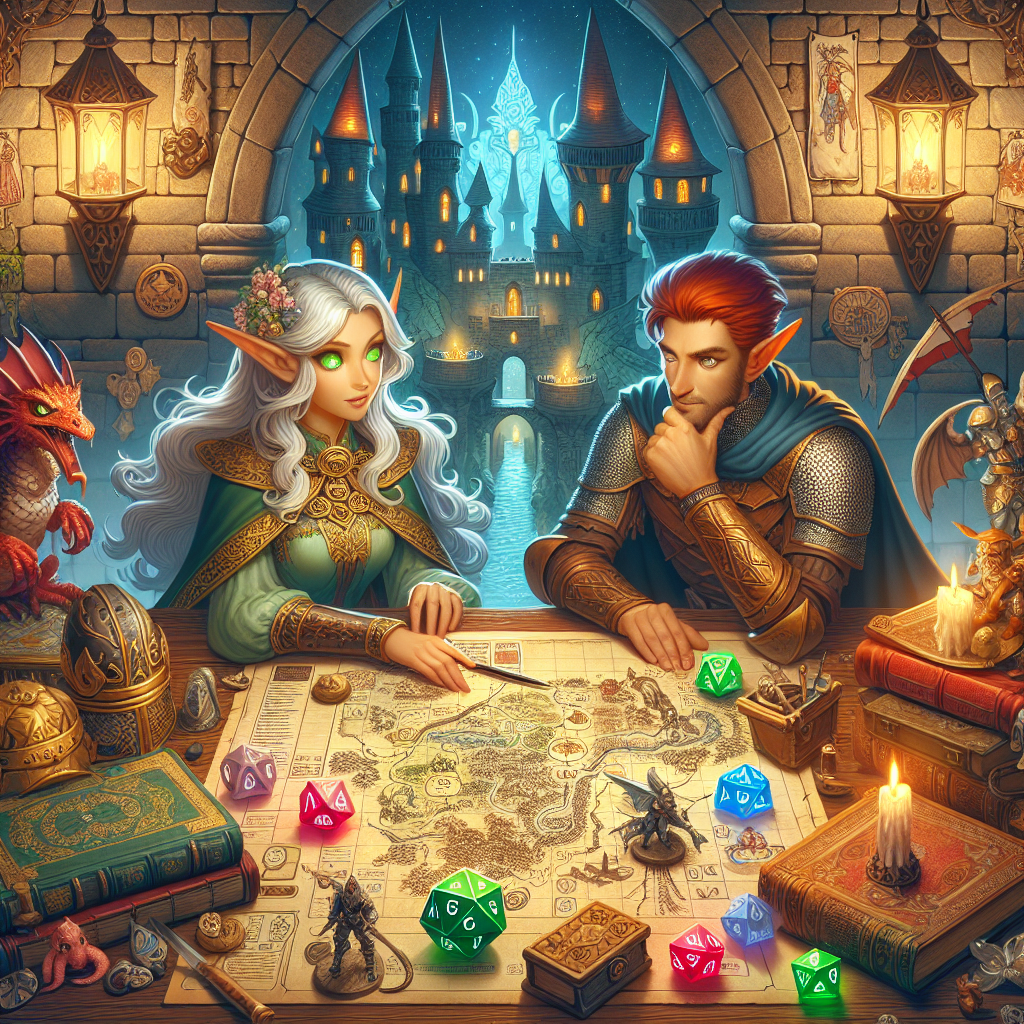
**How to Handle Problem Players Gracefully: A Guide for Dungeon Masters and Players**
Navigating the intricate world of tabletop RPGs is a thrilling adventure for Dungeon Masters (DMs) and players alike. However, every seasoned adventurer knows that the journey can be challenging when faced with problem players. Whether it’s a disruptive personality or a rules lawyer, handling these situations with grace is crucial to maintaining the harmony and enjoyment of your campaign. In this guide, we’ll explore eight effective strategies to address these challenges, ensuring everyone around the table has a memorable and engaging experience.
1. **Identify the Root Cause of the Issue**
Understanding why a player is causing problems is the first step toward resolution. Is the player new and unsure of the rules? Are they seeking more attention in the game, or do they have conflicts with other players? By identifying the root cause, you’re better equipped to address the issue constructively. For example, if a player is constantly interrupting, it might be because they feel left out. Offering them more involvement in the game’s narrative could alleviate the issue.
2. **Foster Open Communication**
Encourage an environment where everyone feels comfortable expressing their thoughts and concerns. Open a line of communication outside the game to discuss any issues. A private conversation can sometimes defuse tension more effectively than addressing it in front of the group. This approach not only helps in resolving conflicts but also builds trust and camaraderie among players.
3. **Set Clear Expectations and Boundaries**
Before the campaign begins, establish clear guidelines for gameplay, including rules on behavior, attendance, and participation. By setting expectations upfront, players understand the framework in which they are expected to operate. For instance, if a player frequently arrives late, reiterating the importance of punctuality can emphasize the value of everyone’s time.
4. **Utilize Session Zero**
Session Zero is an invaluable tool for establishing the campaign’s tone and getting everyone on the same page. Use this session to discuss character backstories, preferred play styles, and potential triggers. Addressing these aspects early on can prevent misunderstandings and conflicts down the road, creating a more cohesive group dynamic.
5. **Encourage Empathy and Perspective-Taking**
Ask players to step into the shoes of their fellow adventurers. This exercise can help them see the game from another’s perspective, fostering empathy and reducing friction. For example, if a player’s character is hogging the spotlight, encourage them to consider how their actions affect the group’s enjoyment and the overall narrative.
6. **Promote Collaborative Storytelling**
RPGs are at their best when players collaborate to create an engaging story. Encourage everyone to contribute to the narrative and support each other’s ideas. This collaborative approach can transform a power struggle into a shared story arc, where all players feel valued and invested in the outcome.
7. **Implement Consequences Thoughtfully**
Sometimes, a player may continue to disrupt the game despite your best efforts. In such cases, implementing consequences might be necessary. However, ensure these are fair and communicated clearly. For example, if a player repeatedly breaks the agreed-upon rules, a temporary suspension from the game might be warranted as a last resort.
8. **Seek Feedback Regularly**
Regularly check in with your players to gather feedback on how the game is progressing. This not only helps you identify potential issues early but also demonstrates your commitment to creating a fun and inclusive environment. Adjustments can be made based on this feedback to keep the game enjoyable for everyone.
In closing, handling problem players gracefully requires patience, empathy, and effective communication. By incorporating these strategies, you can create a harmonious and enjoyable environment for your tabletop RPG sessions. What techniques have you found effective in managing challenging players? Share your experiences in the comments below and help fellow DMs and players enhance their gaming adventures!