
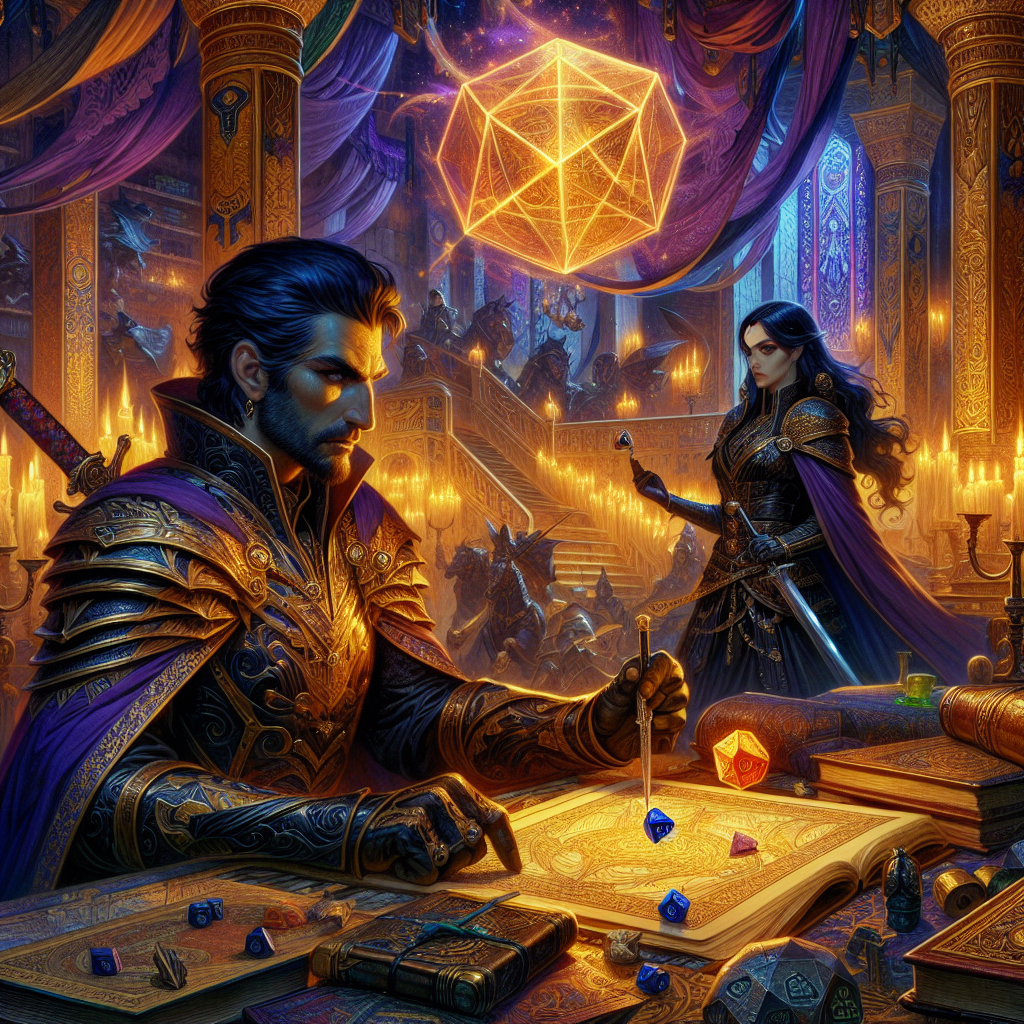
**Giving Depth to Villains Without Monologues: A Guide for Tabletop RPG Enthusiasts**
In the world of tabletop RPGs, a compelling villain can elevate a campaign from good to unforgettable. However, creating depth for these antagonists doesn’t always require long-winded monologues. Instead, there are creative strategies to bring out the complexity of your villains, making them memorable foes your players will love to hate. This is crucial for Dungeon Masters (DMs) aiming to craft immersive stories and players eager to delve into rich narratives where every character feels alive and multidimensional.
1. **Backstory in Rumors**
One effective way to add depth to your villain without relying on monologues is through world-building and gossip. Let your players uncover snippets of the villain’s backstory in taverns, whispered rumors, or ancient tomes. For instance, instead of your villain divulging their tragic past mid-battle, the players might hear a bard sing a song about a prince who was wronged and turned to darkness. These bits and pieces allow players to piece together the villain’s motivations organically, creating a sense of intrigue and depth.
2. **Symbolic Actions Speak Louder**
Actions indeed speak louder than words, especially for villains. Use the villain’s actions to reveal their character and motives. Perhaps they spare an NPC for a seemingly inexplicable reason, hinting at a code of honor, or their choice of allies reveals hidden insecurities or ambitions. For example, if a villain always targets corrupt officials rather than the innocent, it subtly indicates a personal vendetta against a system that wronged them.
3. **Dynamic Relationships**
A villain’s relationships can reveal much about their character. Introduce allies, mentors, or even family members who can interact with the players, offering insights into the villain’s life. Imagine a rival villain who despises your main antagonist’s methods, offering the players a reluctant alliance and a glimpse into the rival’s disdain for the villain’s disregard for life. These dynamics add layers and create a living, breathing world where motivations are complex and intertwined.
4. **Environmental Storytelling**
The setting can be a powerful narrative tool. Use the environment to reflect the villain’s psyche. A fortress adorned with trophies of past victories speaks to their pride, while a lair filled with portraits of a lost family hints at a personal tragedy. For example, the players might explore a ruined city with murals depicting a once-benevolent ruler who fell from grace, offering a visual history lesson that enriches the villain’s story without a single spoken word.
5. **Subtle In-Game Clues**
Plant clues within the game that players can discover and interpret. These can be letters, journal entries, or even the villain’s choice of décor. A diary entry detailing a failed love affair or a collection of rare books on forbidden magic provides insights into their motivations and fears. Encourage players to investigate these clues, turning each discovery into a piece of a larger puzzle that characterizes the villain in a nuanced way.
In conclusion, giving depth to your villains doesn’t have to rely on clichéd monologues. By employing rumors, actions, relationships, environmental storytelling, and subtle clues, you can craft villains that resonate with your players long after the dice have stopped rolling. How have you added depth to your campaign villains? Share your experiences and ideas in the comments below—let’s inspire each other to create unforgettable stories!