
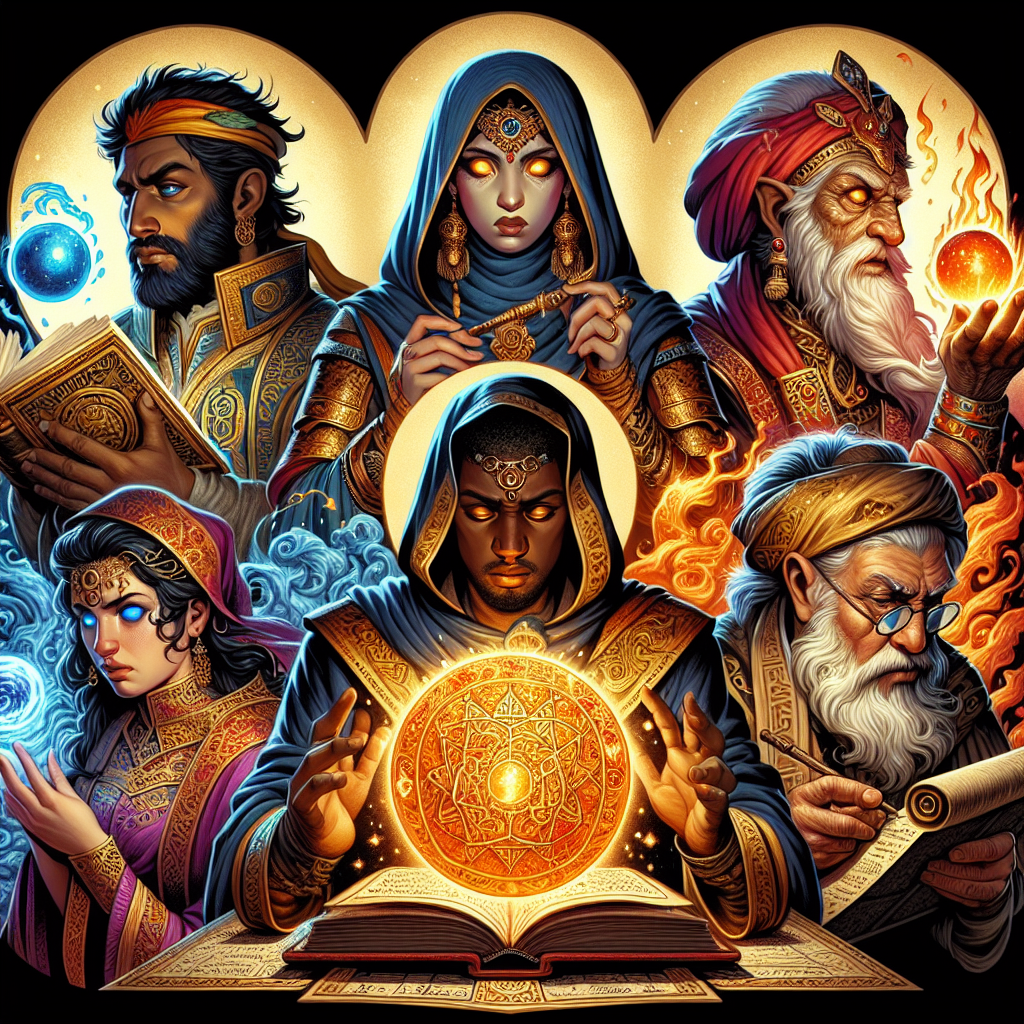
# Crafting Culturally Unique Prophets and Seers in Your Tabletop RPG
In the world of tabletop RPGs, creating a rich tapestry of cultures can elevate your campaign from a simple game to an immersive storytelling experience. One way to add depth and intrigue is by introducing culturally unique prophets and seers. These figures can serve as mysterious guides, foreboding harbingers, or wise mentors, each with their own distinct cultural background that influences their prophecies and actions. This article will explore how you can design these characters to enrich your game world and captivate your players.
## 1. **Understand the Cultural Context**
Begin by immersing yourself in the culture you wish to represent. Whether it’s inspired by real-world traditions or a fictional creation, understanding the societal norms, values, and historical contexts can provide a foundation for your prophet’s identity. For instance, in a society that values nature, a seer might use cryptic messages delivered through the rustling of leaves or animal behavior.
## 2. **Define the Source of Their Powers**
Determine whether your prophet’s abilities are divine gifts, the result of rigorous training, or perhaps a hereditary trait. This choice can influence their status within their culture. A seer whose powers come from ancient ancestors might be revered as a living link to the past, while one who trained for years could be respected for their dedication and wisdom.
## 3. **Incorporate Cultural Symbols and Rituals**
Utilizing symbols and rituals that are specific to your prophet’s culture can add layers to their character. A desert-dwelling oracle might interpret shifting sands, while a prophet from a sea-faring culture reads the patterns of ocean waves. These practices can serve as a unique method of delivering prophecies, adding an immersive element to their predictions.
## 4. **Craft a Unique Communication Style**
Consider how your prophet communicates their visions. Do they speak in riddles, use metaphors, or perhaps communicate through art or music? For example, a bardic seer might weave prophecies into their songs, revealing truths only when the melody is played under a full moon. This not only makes them memorable but also challenges your players to interpret their messages creatively.
## 5. **Establish a Role within Society**
The role of your prophet in their community can vary widely. Are they a solitary hermit, a revered spiritual leader, or a controversial figure? In a tradition-rich society, a prophet might be an esteemed advisor to rulers, while in a more individualistic culture, they could be an outcast, feared for their unsettling insights.
## 6. **Develop a Unique Appearance**
A prophet’s appearance can speak volumes about their culture and role. Consider attire, accessories, and physical traits that reflect their unique identity. An oracle from an icy tundra might wear thick furs adorned with carved bone talismans, while a jungle-dwelling seer could be adorned with vibrant feathers and tribal tattoos.
## 7. **Introduce Cultural Taboos and Challenges**
Every culture has its taboos, and your prophet should be no exception. Perhaps they can only deliver prophecies under certain conditions or are forbidden from revealing specific future events. These limitations can add tension to your narrative, creating dilemmas for both the prophet and the players.
## 8. **Create a Backstory with Cultural Roots**
Design a backstory that ties your prophet closely to their culture. This could involve a rite of passage, a pivotal event that awakened their abilities, or a prophecy about their own life. These elements can provide motivation for their actions and endear them to the players as a fully realized character.
## 9. **Integrate Unique Cultural Relationships**
Consider how your prophet relates to other cultural figures, such as shamans, elders, or deities. Are they allies, rivals, or part of a prophetic council? These relationships can fuel intrigue and political dynamics within your game, offering players opportunities for alliance or conflict.
## 10. **Reflect Cultural Evolution in Prophecies**
Prophecies can serve as a commentary on cultural change. A prophet might foretell the blending of cultures, the rise of a new belief system, or the resurgence of ancient traditions. These predictions can drive the narrative forward, prompting players to consider the broader implications of their actions.
Creating culturally unique prophets and seers requires thoughtful integration of cultural elements, but the result is a dynamic and engaging character that enriches your game world. How will you incorporate these ideas into your next campaign? Share your thoughts or experiences in the comments below!