
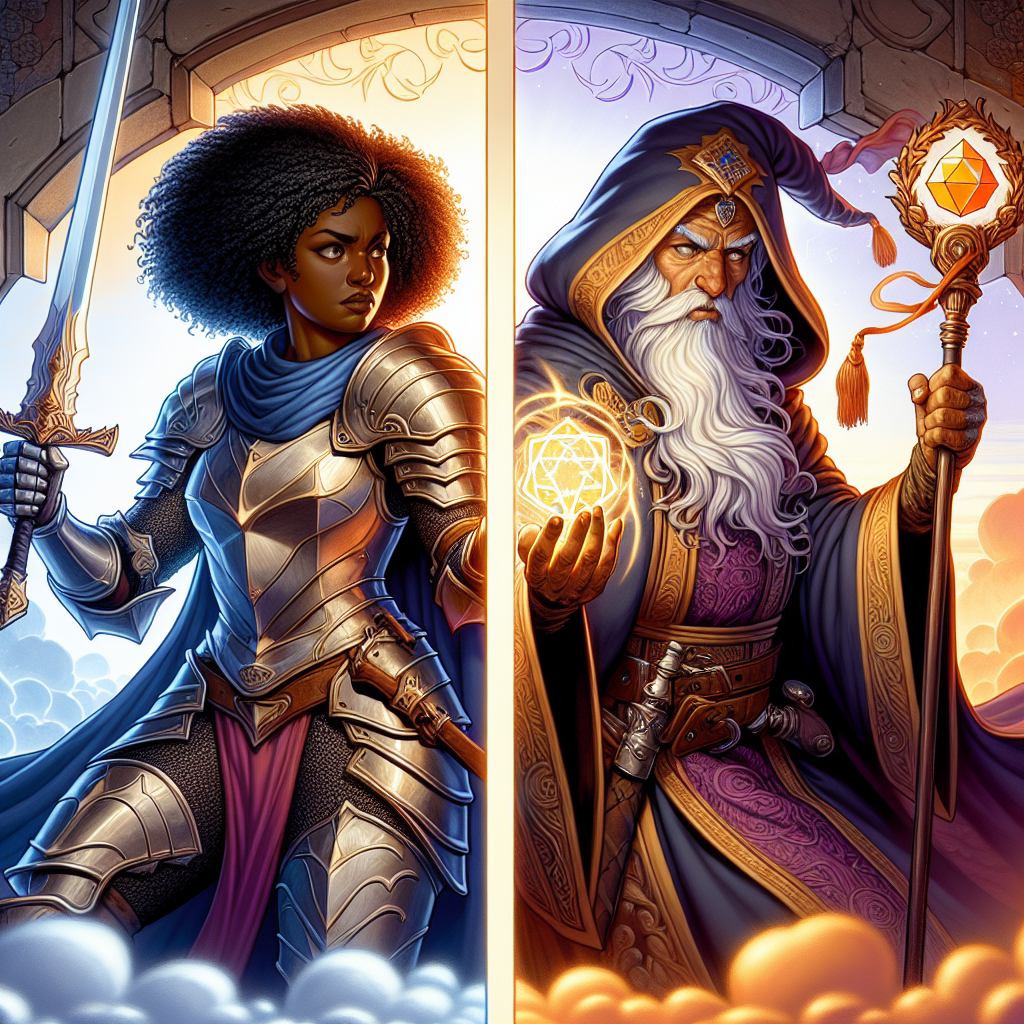
## Creating Characters with Conflicting Motivations: A Guide for Tabletop RPG Enthusiasts
For both Dungeon Masters (DMs) and players, creating well-rounded characters is a cornerstone of a compelling tabletop RPG experience. Characters with conflicting motivations can add depth, realism, and intrigue to your game. These internal struggles can lead to rich storytelling opportunities and memorable gameplay moments. Whether you’re crafting a new character or developing an NPC, understanding how to incorporate conflicting motivations can bring a refreshing dynamism to your campaign.
### 1. **Understand the Core Conflict**
Begin by identifying the core conflict within your character. Is it a battle between duty and desire, or perhaps a struggle between loyalty and ambition? Understanding this primary tension is crucial for developing a character with depth. For example, a paladin may struggle to reconcile their duty to their deity with a forbidden love. This conflict can drive the character’s decisions and interactions throughout the campaign.
### 2. **Use Backstory as a Catalyst**
A rich backstory can serve as fertile ground for conflicting motivations. Dive into your character’s past to unearth events or relationships that could spark internal conflict. Did they grow up in a noble family but yearn for a life of adventure? Or perhaps they were once betrayed, leading to a deep-seated mistrust in others? These past experiences can shape their current motivations and internal struggles.
### 3. **Balance Strengths with Vulnerabilities**
While it’s tempting to create a character who excels in many areas, incorporating vulnerabilities can enhance their internal conflict. A character who is brave yet deeply insecure about their leadership abilities can provide intriguing role-playing opportunities. This balance between strengths and vulnerabilities makes characters feel more human and relatable, allowing for richer narrative exploration.
### 4. **Create External Triggers for Internal Conflict**
External events or characters can act as triggers for a character’s internal conflict. Introduce scenarios or NPCs that force your character to confront their conflicting motivations. A rogue with a strict code of honor might face a situation where breaking their code is the only way to save a friend. Such scenarios push characters to make difficult choices, adding layers to their development.
### 5. **Encourage Dynamic Character Development**
Conflicting motivations should evolve over time, reflecting the character’s growth and experiences. As the campaign progresses, allow your character’s internal struggles to change in response to their journey. A character who initially grapples with selfishness might learn the value of sacrifice through their adventures. This dynamic growth can lead to satisfying character arcs and contribute to the overall narrative.
### 6. **Foster Player and DM Collaboration**
For DMs, working collaboratively with players can enhance the portrayal of conflicting motivations. Discuss character goals and potential story arcs with your players, and weave their internal conflicts into the campaign’s narrative. This collaborative approach ensures that the game remains engaging and that character motivations are seamlessly integrated into the story.
Creating characters with conflicting motivations adds a layer of complexity and realism that can elevate your tabletop RPG experience. By understanding and implementing these strategies, both players and DMs can enrich their storytelling and game dynamics. How will you incorporate conflicting motivations into your next game? Share your thoughts and experiences in the comments below!